The Technical Synchronization Mechanisms Driving Multi-Venue Prize Pools on Mobile Platforms
Rafael Koch · Jul 15, 2026
The Technical Synchronization Mechanisms Driving Multi-Venue Prize Pools on Mobile Platforms
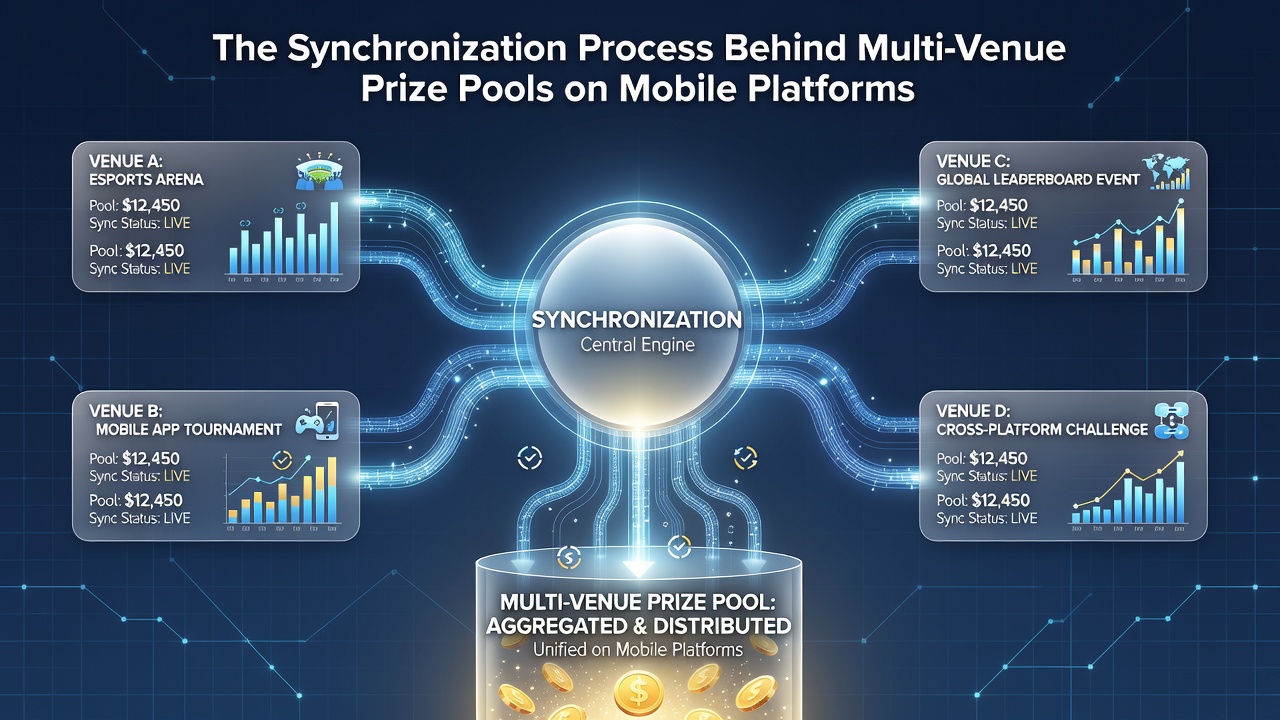
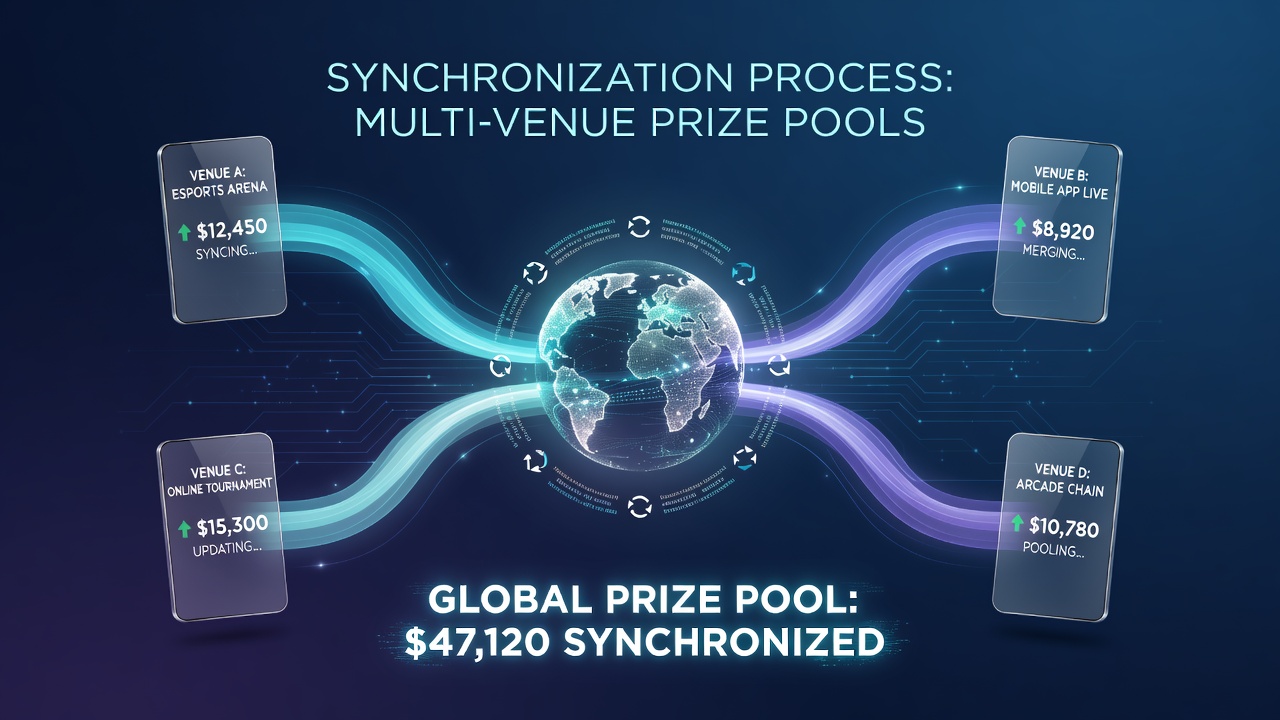
Multi-venue prize pools operate through coordinated systems that link separate locations into shared reward structures, and mobile platforms handle this coordination via constant data exchanges between devices and central servers. Operators maintain these pools by routing contributions from player wagers at different venues into unified totals that update across all participating sites in real time. Mobile applications serve as the access points where users interact with the pool while backend processes ensure every contribution registers instantly regardless of physical location.
Core Components of the Synchronization Architecture
Centralized databases form the foundation where all venue contributions aggregate, yet edge servers positioned near regional clusters reduce transmission delays during peak activity. Mobile devices connect through encrypted APIs that transmit wager data in packets formatted for quick validation, and these packets include timestamps that allow the system to sequence events correctly across time zones. Researchers at institutions such as the University of Nevada Reno have documented how timestamp reconciliation prevents duplicate entries when multiple venues submit updates within milliseconds of each other.
Load balancers distribute incoming mobile requests across available server nodes, which prevents any single point from becoming overwhelmed during high-traffic periods like evening hours in major markets. Data replication occurs through both synchronous and asynchronous methods, with synchronous writes reserved for prize amount changes that affect displayed totals immediately while asynchronous processes handle logging and audit trails. Observers note that this hybrid approach maintains visible consistency for players while preserving full transaction records required by regulatory frameworks.
Real-Time Data Propagation Across Mobile Networks
Mobile platforms rely on push notification services and websocket connections to deliver updated prize pool figures without requiring users to refresh their screens manually. When a wager registers at one venue, the system broadcasts the incremental change through a message queue that reaches all connected clients within defined latency tolerances typically measured in hundreds of milliseconds. Network operators optimize these pathways by prioritizing traffic from verified gaming applications, which ensures synchronization packets receive precedence over general data flows during congestion.
Geographic distribution of data centers supports this speed by allowing regional nodes to cache current pool values locally while still deferring final authority to the master ledger. A report from the Nevada Gaming Control Board highlights how such distributed architectures have scaled to accommodate growing mobile participation rates recorded through mid-2026. Those who monitor system performance report that failover mechanisms automatically reroute traffic if a regional node experiences disruption, preserving continuous synchronization for remaining venues.
Security Protocols and Compliance Integration
Encryption standards protect data in transit between mobile devices and synchronization servers, while tokenization obscures sensitive player identifiers during routine pool updates. Compliance modules embedded in the architecture cross-reference each transaction against jurisdictional rules before allowing contributions to affect the shared total. Systems developed for Australian markets, for instance, incorporate additional checks aligned with requirements from the Australian Communications and Media Authority that differ from those used in North American deployments.
Audit logs capture every synchronization event with cryptographic hashes that enable later verification without exposing operational details. Independent testing laboratories examine these logs during certification processes to confirm that prize calculations remain accurate even when network partitions temporarily isolate subsets of venues. Data from industry analyses conducted in July 2026 showed continued refinement of these verification steps as mobile traffic volumes increased across international operators.
Handling Latency and Conflict Resolution
Latency variations arise naturally from differences in mobile carrier performance and device processing speeds, so synchronization engines apply conflict resolution algorithms that prioritize the earliest validated timestamp when simultaneous updates arrive. These algorithms run on dedicated reconciliation servers that compare incoming messages against a sliding window of recent activity, discarding any entries that fail integrity checks. Operators implement predictive buffering that anticipates brief network interruptions by queuing contributions locally until connectivity restores.
Case studies from multi-state operators demonstrate how such buffering maintains pool integrity during events like large-scale sporting tournaments that drive concentrated mobile activity. The process avoids manual intervention by automatically reconciling queued items once connections stabilize, which keeps displayed totals accurate for all participants.
Conclusion
Synchronization processes for multi-venue prize pools on mobile platforms combine centralized ledgers with distributed edge processing to deliver consistent real-time updates across locations. Technical elements such as timestamp sequencing, message queuing, and automated failover ensure reliability while meeting varied regulatory standards. Continued evolution of these systems tracks broader growth in mobile participation as documented through 2026 industry measurements.