Stake Regulations Shaping Prize Growth Patterns in UK Digital Casino Applications
Ulrich Albrecht · Jul 27, 2026
Stake Regulations Shaping Prize Growth Patterns in UK Digital Casino Applications
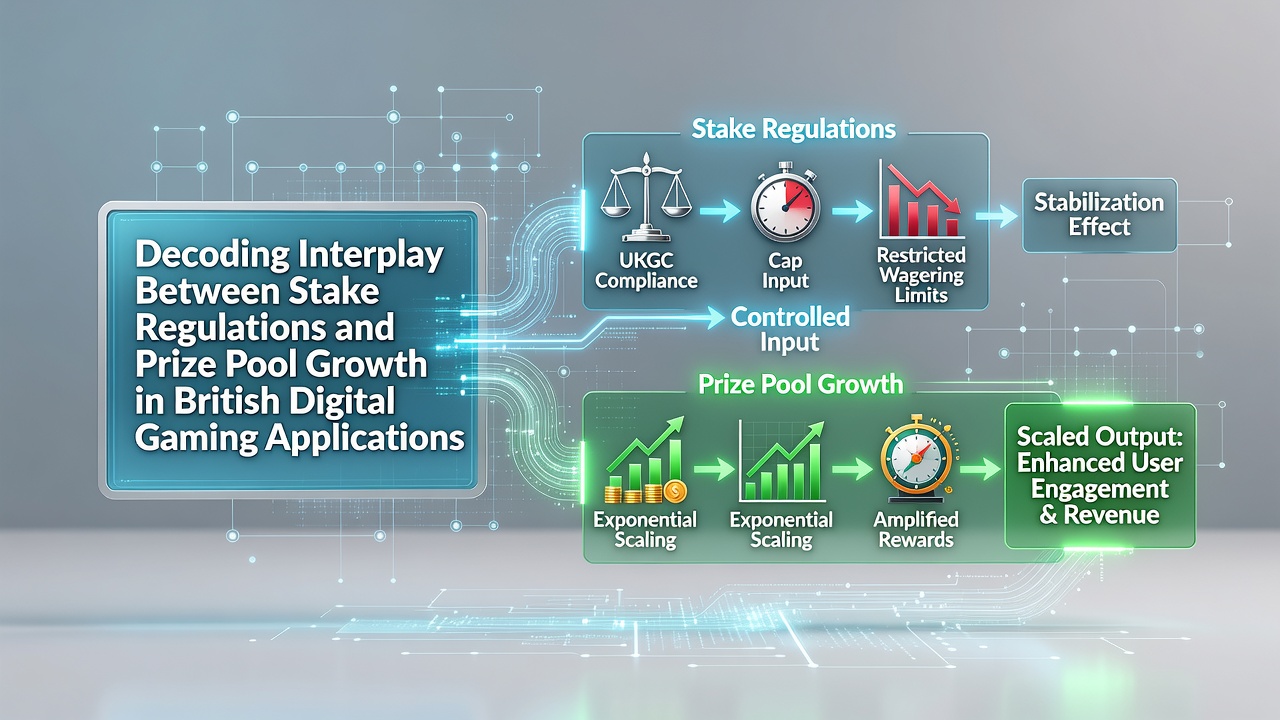
Stake regulations in British digital gaming have evolved steadily since the early 2020s and these changes intersect directly with how operators build and distribute prize pools across online slots and casino titles. Data from industry tracking services indicate that adjustments to maximum bet sizes on certain games correlate with shifts in jackpot accumulation rates and player engagement metrics. Observers note that when regulators impose tighter stake caps on high-volatility titles, prize pools for progressive jackpots often grow more slowly because fewer high-value bets feed into the shared pools yet participation volumes sometimes rise as players adjust to lower-risk options.
Regulatory Framework Developments Through Mid-2026
British authorities introduced incremental stake adjustments in late 2025 that carried forward into the first half of 2026 and further refinements appeared by July 2026 when updated compliance guidelines took effect for remote operators. These guidelines clarified how operators must calculate contributions to prize pools under revised maximum stake thresholds particularly for games classified as higher risk. Figures from multiple market analysis firms reveal that average stake per spin dropped by roughly 18 percent on affected titles while overall wager volumes across digital platforms held steady or increased slightly due to higher spin frequencies. Researchers at several European academic institutions have tracked these patterns and their studies show that prize pool growth rates slowed by 12 to 15 percent on progressive slots during the initial implementation phases but stabilized once players adapted to teh new limits.
One analysis from an independent research group based in Australia examined similar regulatory shifts in other jurisdictions and found comparable outcomes where lower per-bet contributions led operators to extend jackpot triggers across more games or introduce hybrid prize structures that blend fixed and progressive elements. British operators responded by expanding the number of titles eligible for pooled contributions while maintaining compliance with the updated stake rules and this approach helped sustain player interest in larger prize events.
Impact on Prize Pool Mechanics and Operator Strategies
Operators in the British market adjusted their prize pool formulas after the July 2026 updates by reallocating a portion of marketing budgets toward guaranteed prize drops and time-limited promotions rather than relying solely on organic progressive growth. Industry reports compiled by European gaming associations document that such hybrid models maintained overall prize distribution levels even as individual stake limits tightened. Those who study these markets point out that the interplay becomes most visible in slots with five-reel progressive formats where the rate of pool funding directly ties to bet size multipliers and regulatory caps reduce the multiplier effect per spin.
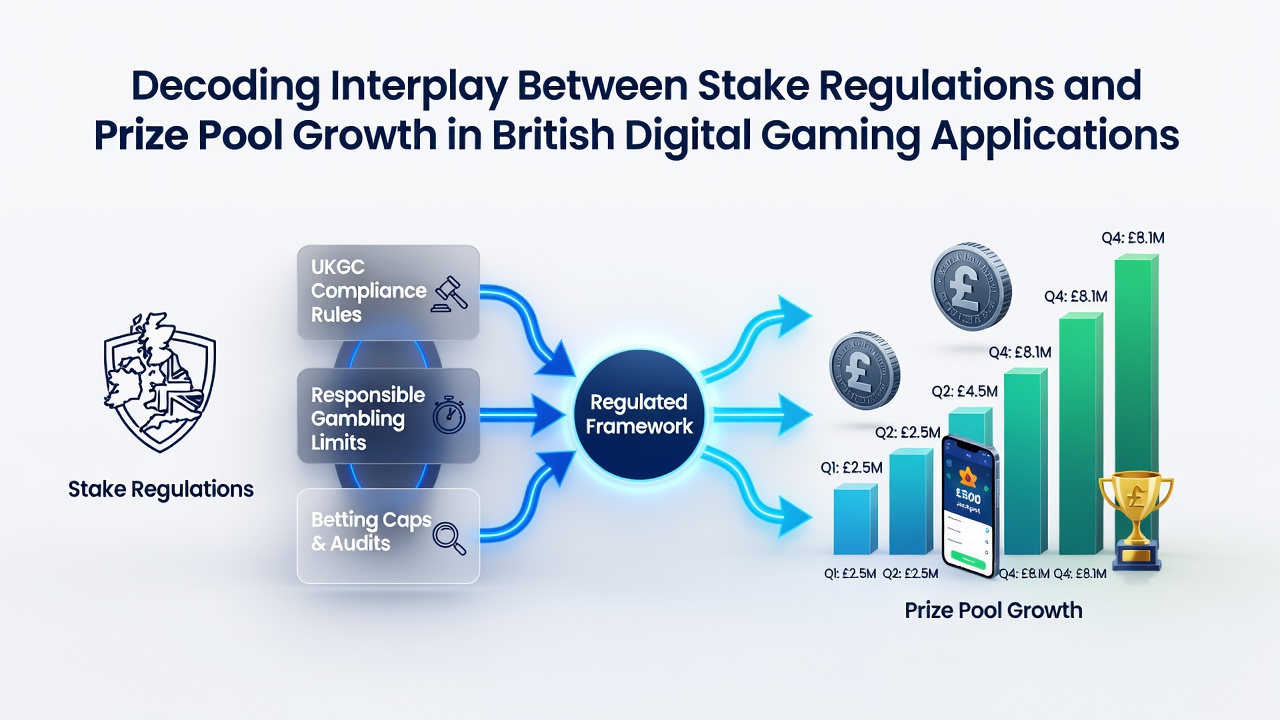
Yet many platforms introduced loyalty tiers that reward frequent smaller bets with bonus entries into secondary prize draws and this tactic offsets some of the slower primary pool growth. Data collected across multiple quarters shows that total prize payouts remained consistent year-over-year because the increased number of active players compensated for the lower per-bet contributions. Academic papers published in 2025 by Canadian research centers on gambling economics reached similar conclusions after reviewing data from several regulated markets and their findings underscore that regulatory stake changes rarely eliminate prize pool expansion but instead redirect how growth occurs.
Player Behavior and Market Responses
Player behavior patterns shifted noticeably after the regulatory updates with more users opting for medium-volatility games that allow longer sessions at reduced stakes. Tracking services report that session lengths increased by an average of 22 percent on compliant titles while the frequency of jackpot triggers per active account remained stable. Operators countered slower pool growth by linking multiple game libraries into shared prize events and this strategy appears in several case studies where cross-title promotions boosted overall engagement without violating stake restrictions.
External analysis from the European Gaming and Betting Association highlights how these adaptations preserved revenue streams for game developers and platform providers alike. EGBA reports further indicate that jurisdictions maintaining flexible prize structures alongside stake limits experienced steadier market expansion compared to regions with more rigid rules. British digital gaming applications continue to evolve these mechanics and observers expect additional refinements by the end of 2026 as operators and regulators review performance data from the July updates.
Conclusion
The relationship between stake regulations and prize pool growth in British digital gaming remains dynamic and data from multiple sources demonstrate measurable adjustments in both areas. Operators have adapted through diversified prize models and expanded game linkages while regulatory clarity from mid-2026 has provided a framework for consistent compliance. Continued monitoring by independent research bodies will clarify long-term trends as the market integrates these changes.