Smartphone Casino Platforms and the Mechanics of Incentive-Driven Prize Expansion
Ulrich Albrecht · Jun 8, 2026
Smartphone Casino Platforms and the Mechanics of Incentive-Driven Prize Expansion
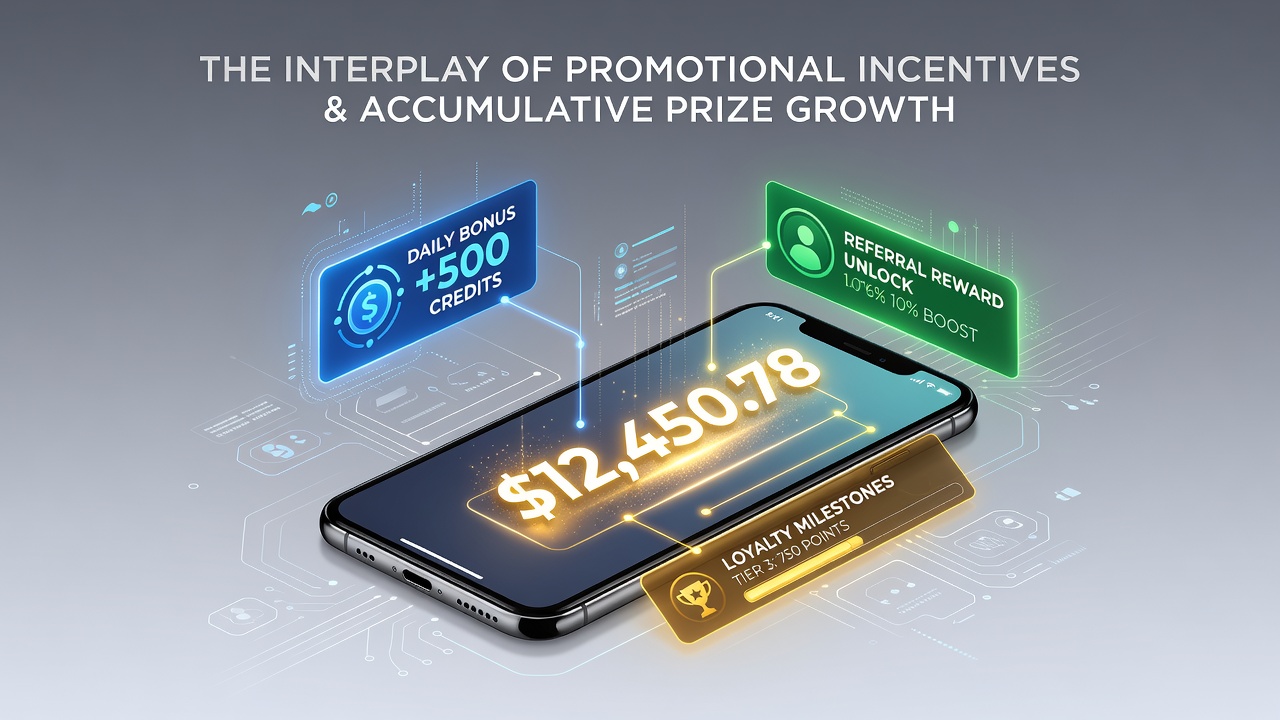
Promotional incentives in smartphone-based casino applications operate alongside accumulative prize structures to shape player engagement patterns and revenue flows, and this relationship has drawn attention from operators and regulators alike in recent years. Mobile platforms deliver targeted offers such as deposit matches, free spins, and loyalty points that feed directly into progressive jackpot pools or shared prize funds, creating feedback loops where increased participation accelerates prize growth while incentives sustain user activity over longer sessions.
Core Components of Promotional Systems in Mobile Environments
Operators structure incentives around deposit bonuses, cashback percentages, and tiered loyalty programs that unlock additional rewards after set wager thresholds, and these mechanics integrate with accumulative prize systems by allocating portions of player bets into centralized pools that grow until triggered by specific conditions. Data from industry reports indicate that bonus funds often contribute to jackpot contributions at rates between 1 and 3 percent of total wagers, which means promotional volume directly influences the speed at which prizes accumulate and the frequency of payouts across user bases.
Accumulative Prize Mechanisms and Their Growth Drivers
Progressive jackpots in smartphone casino titles build through fixed percentages of each qualifying bet across networks of connected games, and this process accelerates when promotional campaigns increase overall betting activity during limited-time events or seasonal pushes. Research from academic sources shows that prize pools expand most rapidly in titles that combine high volatility with frequent incentive triggers, because players respond to visible meter growth by extending play sessions and qualifying for further bonuses that recycle funds back into the system.
Observed Interactions Between Incentives and Prize Pools
The interplay emerges when operators time promotional windows to coincide with nearing jackpot thresholds, which encourages players to chase larger rewards while bonus credits keep participation steady even after initial funds deplete. Figures released in June 2026 by the Australian Communications and Media Authority highlight that mobile casino sessions involving active promotions recorded 22 percent higher average wager volumes compared to non-promoted periods, and this uplift correlates with measurable spikes in progressive prize contributions during the same intervals.
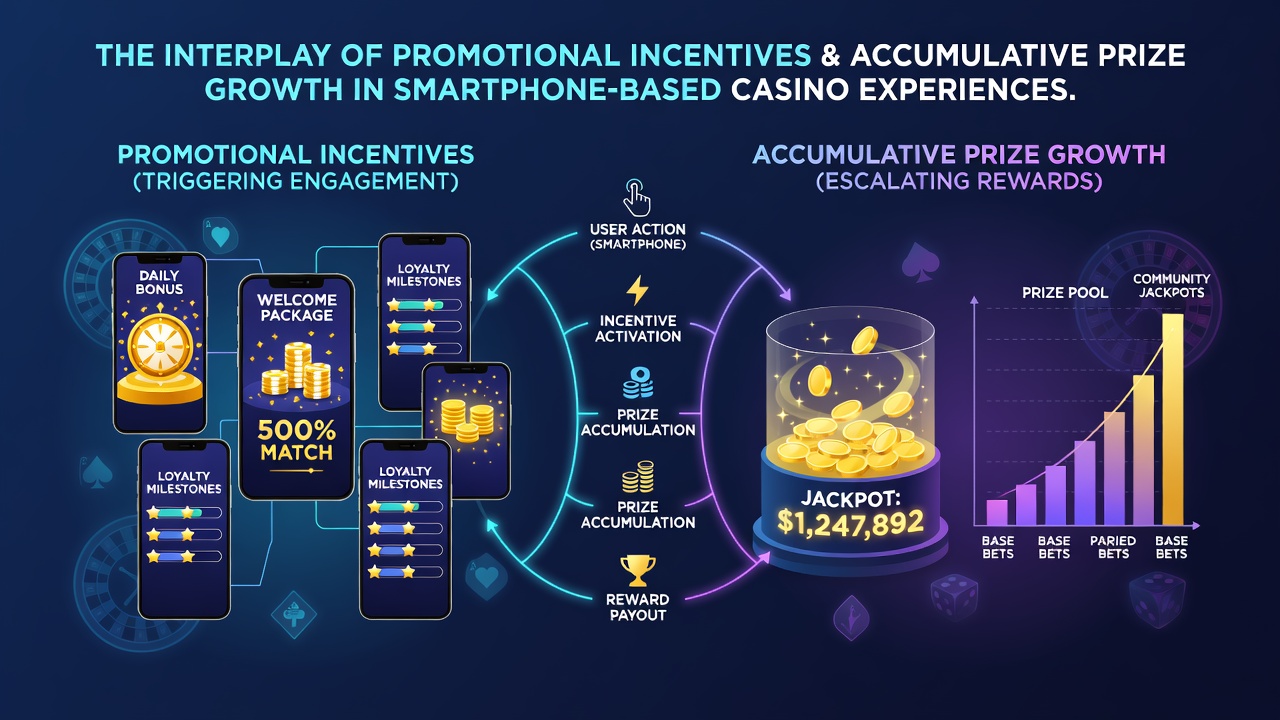
Those who've examined transaction logs across multiple platforms note that accumulative prizes often reach payout thresholds faster during campaigns that distribute free spins or matched deposits, because the added bets from incentivized users compound into the pool without requiring additional operator seeding. This dynamic creates a self-reinforcing cycle where prize visibility draws new participants who then qualify for further incentives, sustaining growth across connected game libraries.
Regional Regulatory Context and Market Data
Regulatory frameworks in various jurisdictions address this interaction by capping bonus wagering requirements and requiring transparent disclosure of how promotional funds feed into prize pools, and observers point to guidelines from bodies such as the National Council on Problem Gambling in the United States for standards on responsible incentive design. In parallel, analyses from European research institutions reveal that markets with stricter bonus restrictions still see prize accumulation rates influenced by loyalty program structures that reward consistent mobile play without direct cash offers.
Market statistics compiled through 2026 demonstrate that smartphone casino applications account for over 65 percent of total online gambling activity in tracked regions, and the subset of games featuring both promotional layers and accumulative prizes shows the steepest growth curves in player retention metrics. Operators adjust incentive parameters in response to these patterns to maintain pool momentum without exceeding compliance thresholds set by local authorities.
Conclusion
The documented relationship between promotional incentives and accumulative prize growth in smartphone casino experiences rests on measurable contributions from incentivized wagers into shared pools, supported by timing strategies that align bonus campaigns with jackpot milestones. Continued monitoring by regulatory agencies and industry analysts will track how these mechanics evolve alongside technological updates and policy shifts across different markets.