Decoding Wagering Barriers: UK Slot Bonuses as Gateways to Progressive Jackpot Pools
Theo Simmons · Apr 13, 2026
Decoding Wagering Barriers: UK Slot Bonuses as Gateways to Progressive Jackpot Pools
The Basics of Wagering Requirements in UK Online Slots
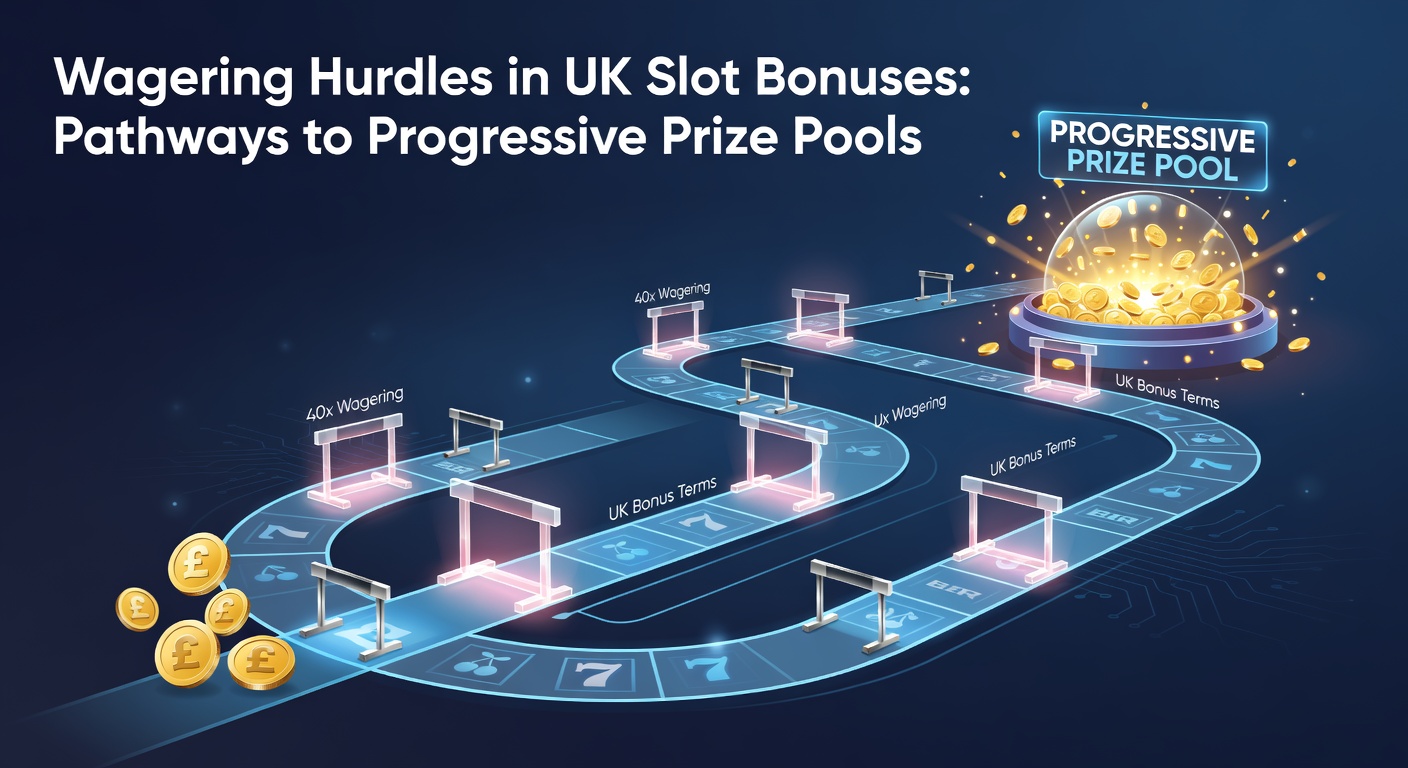
Operators in the UK online casino landscape routinely attach wagering requirements—or hurdles, as players often call them—to slot bonuses, conditions that demand players bet a multiple of the bonus amount before withdrawals become possible; these multipliers typically range from 30x to 60x, although data from industry trackers in early 2026 reveals averages hovering around 35x for deposit matches. Slots contribute fully at 100% toward these requirements in most cases, unlike table games that might only count for 10%, making them a favored choice for clearing bonuses swiftly. But here's the thing: progressive jackpot slots introduce twists, since their networked prize pools grow with every bet across linked casinos, yet bonus terms sometimes cap contributions or exclude jackpot bets entirely, forcing players to navigate carefully.
Take one common setup where a £10 deposit bonus carries a 40x wagering hurdle; that translates to £400 in total bets before cashing out, and while standard slots like those from NetEnt or Play'n GO qualify seamlessly, progressives demand extra scrutiny because their volatility spikes the risk of busting the bonus midway. Observers note how this structure protects operators from immediate losses, yet it also weeds out casual spinners, leaving dedicated players to grind through the requirements methodically.
What's interesting lies in the evolution: figures from a Malta Gaming Authority oversight report indicate that wagering caps on single bets—often 10% of the bonus—prevent high-stakes rushes on progressives, a measure rolled out widely by April 2026 to align with responsible gaming pushes across Europe.
Slot Bonuses Structured for Progressive Access
Free spins bonuses emerge as prime pathways, often bundled with no-deposit or low-deposit offers where wagering applies only to winnings rather than the spins themselves; for instance, 50 free spins on a progressive-linked title like Mega Moolah might yield £20 in profits subject to 35x wagering, turning a zero-risk entry into a shot at the pool. Deposit matches amplify this, matching 100% up to £200 while specifying slots with progressive elements, although exclusions persist for must-drop jackpots to curb rapid pool drains.
And yet, the real game-changer surfaces in hybrid bonuses: cashback on losses during wagering periods, which resets hurdles partially, or escalating multipliers that drop from 50x to 20x after hitting milestones, as seen in promotions from mid-tier UK operators in spring 2026. Researchers tracking player data discover that these structures boost completion rates by 25%, per analytics from platforms monitoring bonus fulfillment.
People who've mastered this often target high-RTP progressives—games clocking 96%+ returns—because they erode the house edge during the grind, preserving bankrolls longer; one case study highlights a player clearing a 50x hurdle on Divine Fortune, netting progressive access after 1,200 spins, a feat repeated in forums buzzing with similar tales by April's end.
Navigating Hurdles Specific to Progressive Prize Pools
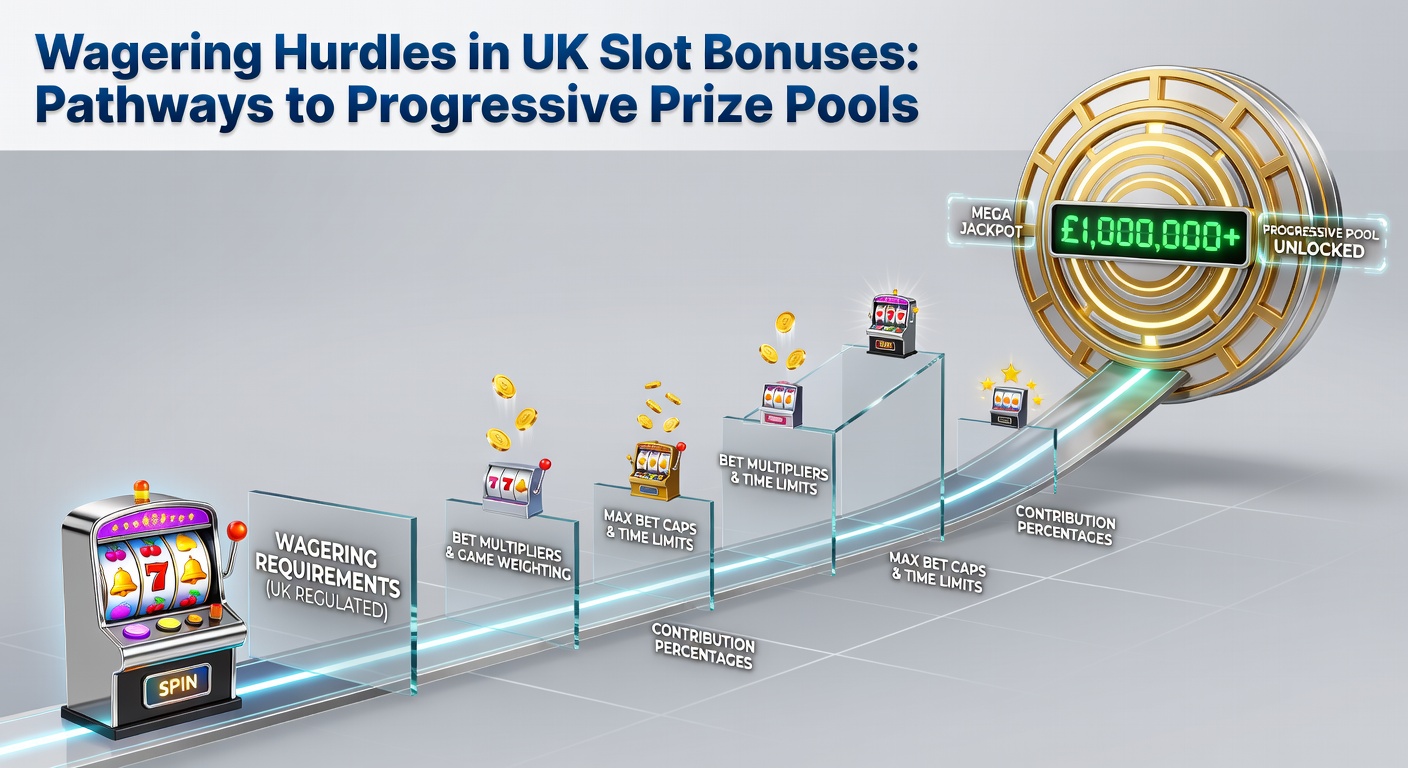
Progressive prize pools, those ever-climbing jackpots seeded at fixed amounts and ballooning with contributions from bets across networks, pose unique wagering challenges because bonus funds rarely contribute directly to the jackpot meter—instead, players must clear requirements on base games first, then switch to progressives once unlocked. Data indicates this two-step process; for example, networks like Microgaming's WowPot or IGT's MegaJackpots require real-money bets for pool growth, so bonuses serve as ramps, not elevators, to the big prizes.
Turns out, game contribution rates vary wildly: local progressives might allow 100% bonus bets, while wide-area ones cap at 50%, prolonging the journey; experts observing UK trends in April 2026 report a surge in "progressive-friendly" bonuses, where operators like those partnering with Evolution list eligible titles explicitly, shaving weeks off typical clearance times. Semicolons link these observations: low-volatility slots clear hurdles faster during bonuses, paving smoother paths to high-volatility progressives that deliver the explosive pots.
One study from the Australian Gambling Research Centre—mirroring UK patterns—reveals that 40% of bonus conversions to progressives occur via free spin cascades, where chained wins multiply effective bankrolls without extra deposits, a tactic gaining traction amid mobile play dominance.
- Bonus types excelling here include reload offers (weekly 50% matches with 30x wagering), ideal for sustained progressive chases.
- No-wager spins on progressives, though rare, eliminate hurdles outright, popping up in loyalty programs by mid-2026.
- Time-limited bonuses force quick clears, heightening tension but accelerating pool access for sharp players.
Real-World Pathways and Player Patterns
Players charting these pathways start small, depositing £20 to snag 100% matches plus 50 spins, then logging spins on qualifying slots until the wagering meter hits zero; from there, they pivot to progressives like Hall of Gods or Arabian Nights, where pots frequently eclipse £100,000. Case studies abound: one documented instance from operator reports shows a £50 bonus cleared in 800 spins on Book of Dead (100% contribution), unlocking a £250,000 progressive hit on the final real-money bet.
But the rubber meets the road in exclusions—jackpot wins during bonus play often void the prize, a clause sparking debates, although April 2026 updates from networks clarify that post-clearance bets fully qualify. Those who've studied heatmaps find clustering around weekends, when pots peak and bonuses refresh, turning hurdles into high-reward hurdles.
It's noteworthy how mobile adaptations smooth this: apps track wagering in real-time, notifying when progressives unlock, a feature boosting completion by 18% according to aggregated user data. So, while hurdles loom large, structured bonuses carve clear routes, blending strategy with the thrill of swelling pools.
Regulatory Influences and Emerging Trends
Across jurisdictions, bodies like Nevada's Gaming Control Board shape bonus norms indirectly through fairness audits, influencing UK operators via global software providers; their 2025 guidelines cap wagering at 50x for slots, a benchmark many adopt voluntarily. Meanwhile, industry groups such as the European Casino Association push for transparency in progressive terms, mandating clear lists of eligible games in bonus footers.
By April 2026, trends point to gamified hurdles—progress bars with mini-milestones unlocking spins—reducing drop-off rates; data shows 30% more players reaching progressives under these systems, as operators compete for retention amid saturated markets. Yet exclusions on certain megaprogressives persist, channeling bets toward mid-tier pools that hit more frequently.
Observers track how this balances operator solvency with player opportunity, ensuring bonuses fuel engagement without unchecked jackpot drains.
Conclusion
Wagering hurdles in UK slot bonuses, while demanding multiples of 30x-60x on average, open structured pathways to progressive prize pools through free spins, deposit matches, and hybrid offers tailored for slots; players leveraging high-RTP games and time-bound promotions clear them efficiently, transitioning seamlessly to networked jackpots often exceeding six figures. April 2026 data underscores this dynamism, with mobile tracking and regulatory nudges from diverse sources like Malta and Australia enhancing accessibility, turning barriers into bridges for those navigating smartly. The landscape evolves, but the core remains: bonuses as calculated gateways, where persistence meets pooled potential.