Britain's Regional Reel Ecosystems: How Layered Incentives Reshape Pathways to Synchronized Prize Expansions in Mobile Environments
Iris Powell · Jun 3, 2026
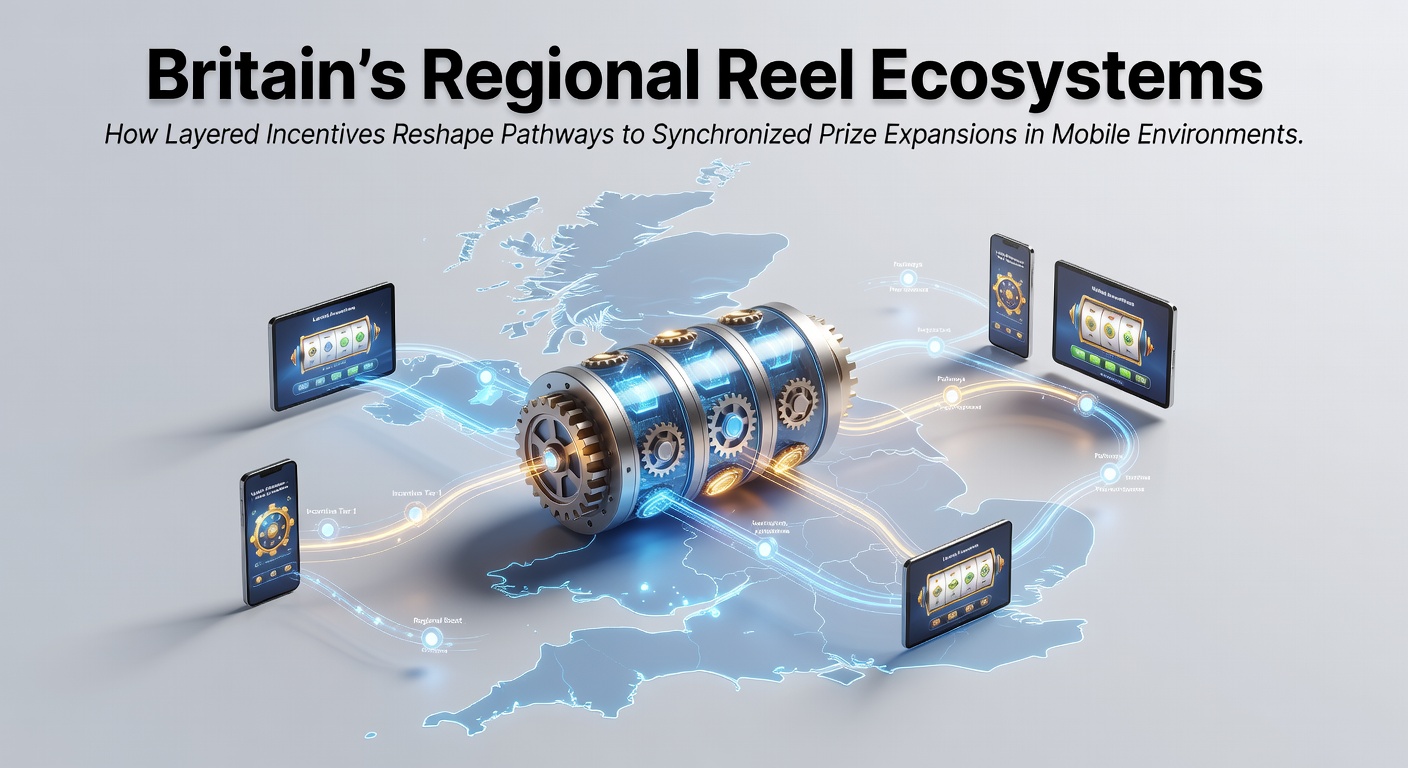
Britain's Regional Reel Ecosystems: How Layered Incentives Reshape Pathways to Synchronized Prize Expansions in Mobile Environments
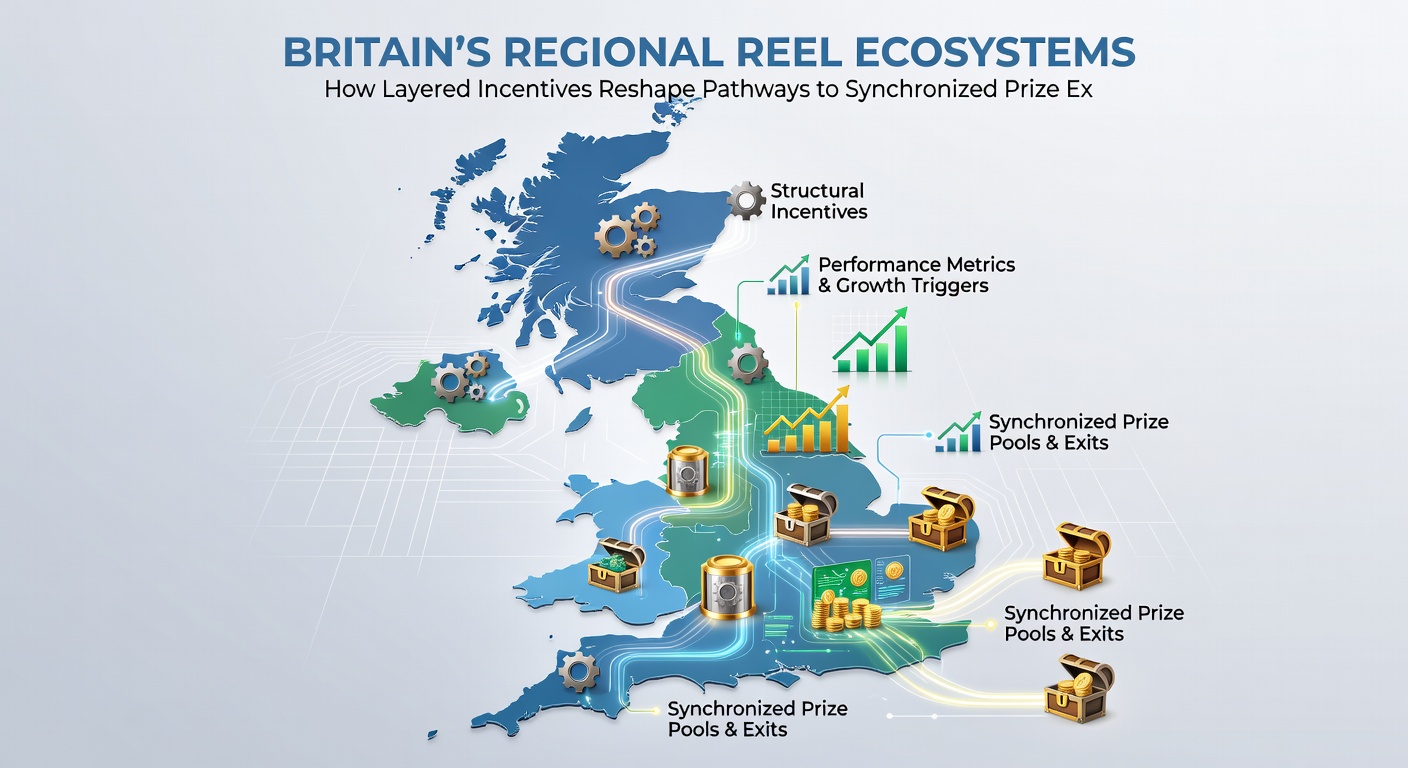
Britain's mobile gaming landscape operates through distinct regional reel ecosystems where operators apply layered incentives that guide player progression toward synchronized prize expansions. Data from industry reports shows these structures vary by jurisdiction because licensing requirements and promotional rules differ across England, Scotland, Wales and Northern Ireland. Observers note that such variations create parallel pathways where initial deposits and engagement metrics feed into coordinated reward pools that expand simultaneously across multiple platforms. Regional operators segment incentive layers according to local market conditions. In England, deposit match structures often combine with loyalty multipliers that activate at specific wager thresholds, while Scottish platforms emphasize time-based bonuses that align with evening peak hours. Welsh and Northern Irish ecosystems integrate cross-game progression systems where achievements in one title contribute to prize expansion meters shared among regional users. These differences produce synchronized expansion cycles because backend algorithms monitor aggregate activity across borders and adjust prize values in real time.Mapping Incentive Layers Across Jurisdictions
Layered incentives function as sequential gateways that players encounter in mobile environments. The first layer typically involves sign-up credits or matched deposits that convert into reel credits. Subsequent layers activate through play volume, and these credits then feed into regional prize pools. Research from the European Gaming Association indicates that synchronized expansions occur when multiple regions reach collective activity thresholds, triggering simultaneous increases in available prize values across connected mobile titles.
Operators track these pathways using centralized dashboards that aggregate regional data. One documented case involved a network of platforms where a surge in Welsh mobile sessions during May 2026 prompted an upward adjustment in shared prize meters that benefited English and Scottish users within the same hour. Such coordination relies on standardized APIs that transmit engagement metrics without revealing individual player details.
Technical Pathways Supporting Synchronized Expansions
Mobile environments enable rapid transmission of incentive data through cloud-based servers located in multiple UK data centers. When a player completes a required wager sequence in one region, the system registers the contribution and recalculates prize expansion rates for all linked titles. Studies conducted by the University of Melbourne's gambling research unit found that these recalculations maintain balance across regions by applying weighted multipliers derived from historical activity patterns.
June 2026 saw several operators introduce updated compliance modules that align incentive timing with updated regional advertising standards. These modules prevent prize expansions from activating until all participating regions confirm regulatory clearance. The result appears in smoother synchronization because expansion events now occur only after multi-jurisdictional verification completes.
Regional Variations in Player Progression Routes
Players in different parts of Britain encounter distinct progression routes shaped by local incentive rules. Northern Irish platforms frequently route users through community challenge layers where group achievements accelerate individual prize access. English ecosystems more commonly emphasize solo milestone layers that unlock higher expansion rates after consecutive daily sessions. Data compiled by the Canadian Gaming Association shows these route variations produce measurable differences in average time to first synchronized prize expansion, with some regions reporting shorter intervals due to denser incentive stacking.
Cross-border players who switch between regional apps must navigate shifting layer sequences. Mobile operators address this through unified account systems that preserve progress across ecosystems while applying the incentive rules of the active jurisdiction. This approach maintains synchronization because prize meters continue to accumulate regardless of which regional interface a player currently uses.
Future Adjustments in Layered Structures
Industry analysts expect further refinement of layered incentives as mobile technology advances. Planned updates include dynamic layer activation based on real-time regional demand signals and expanded use of geofencing to tailor prize expansion opportunities. These developments build on existing frameworks where data from multiple sources already feeds into synchronized growth mechanisms.
Conclusion
Britain's regional reel ecosystems demonstrate how layered incentives create structured pathways that support synchronized prize expansions in mobile environments. Variations across England, Scotland, Wales and Northern Ireland produce distinct player routes while shared technical systems ensure coordinated growth of available prizes. Reports from academic and industry sources continue to document these mechanisms as operators refine compliance and engagement tools through 2026 and beyond.